Care breaks after the ER. We make sure it doesn’t.
Heather, our AI clinical orchestrator, follows every patient after they leave your ER. She reinforces the discharge plan, books the follow-up in your network, and flags concerns to your team early.

Heather
AI clinical orchestrator
One patient, one week
Illustrative example. Fictional patient.
Built with clinicians. Supported by




The patient
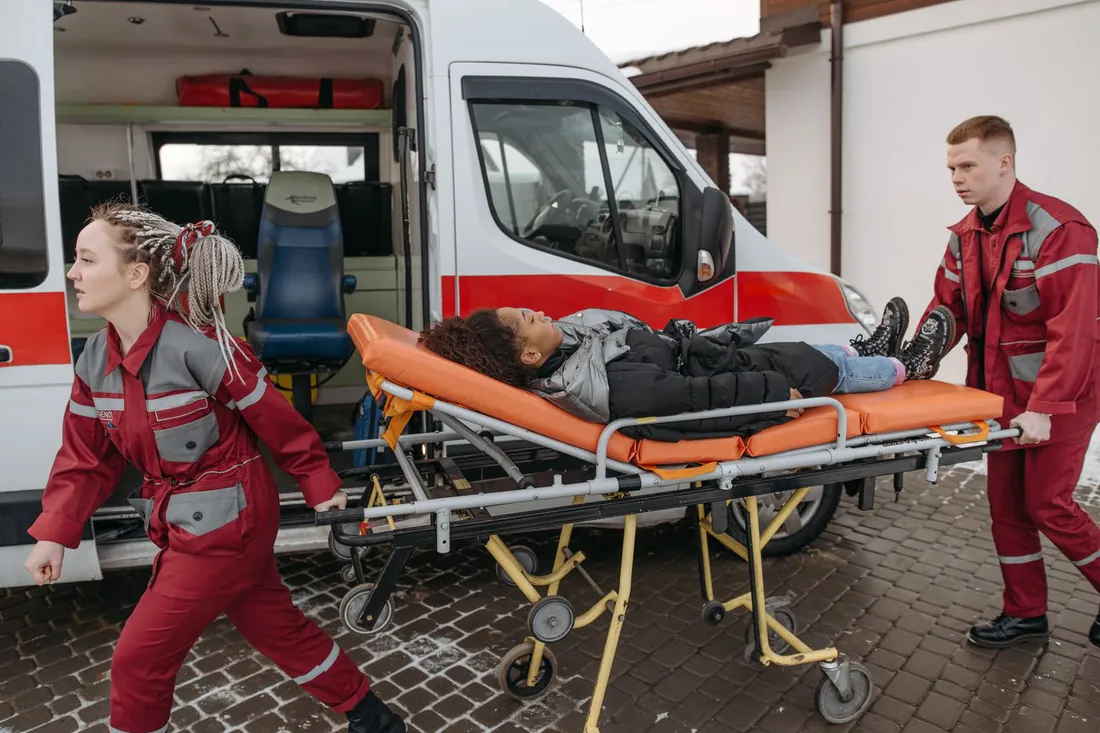
Patients leave the ER overwhelmed.
They don’t know what to do next, who to see, or how to get there.
So they go back.
- patients are back in the ER within 30 days.
- 1 in 5
- ER patients go home each year, with no one reaching out.
- ~110M
About6 in 10
ER referrals never become a visit in the hospital’s own clinics.
The health system
After discharge, no one is reaching out.
The referral is on paper. Nobody calls. The visit never gets booked, or it gets booked somewhere else.
~$20M
in lost revenue for the average U.S. health system.
~$800
per patient to run a manual care management program, in nurse time alone.
~50%
of patients are reached by a nurse's follow-up call, even after 2 to 3 tries.
The solution
Heather follows every patient after the ER.
01
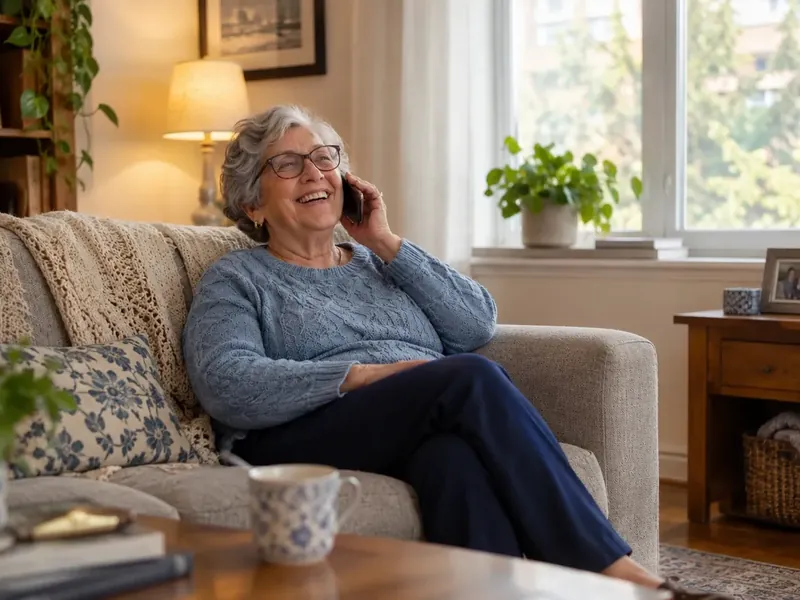
Reinforces the plan.
She goes over the instructions in plain words and checks the patient can say them back.
02
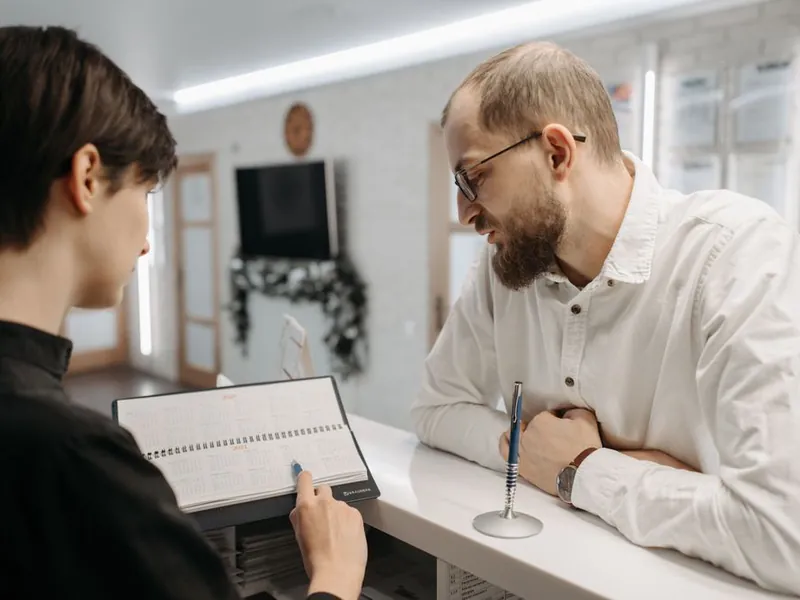
Books the follow-up.
She calls the clinic, finds a time that works, and keeps the visit in your network.

03
Flags concerns early.
She asks the right questions and brings your team in before a return.
- Care plan
- Heather executes
- Completed care
She works from the discharge plan your clinicians wrote. No EHR integration to start.
One patient. Seven days. One closed loop.
Illustrative example. Fictional patient.
The product
Your team sees who needs them first.
One list. Patients who need a person are at the top, with the context already written.
Outcomes
What a health system could gain.
Health system
~$11M
in new revenue a year
In-network follow-up, plus the TCM and CCM codes your team is not capturing today.
- from in-network follow-up (+20 points)
- ~$7.5M
- from TCM and CCM codes
- ~$3.4M
At-risk patients
~$6.4M
saved on the overall cost of care a year
For your at-risk patients, assumed to be 20% of the ER patients you follow. The real share is likely higher.
- at-risk patients (20% of 75,000)
- 15,000
- saved per at-risk patient
- ~$430
Care team
Every patient
followed after the ER, without more staff
Heather does the calls, texts and scheduling. Your nurses take the patients who need a person.
Estimates for a health system of 6 to 9 hospitals following about 75,000 ER patients a year. At-risk patients are assumed to be 20% of them. Results will vary.
Who we serve
Built for the people who own the follow-up.
Emergency department leaders
Fewer patients come back because nobody followed up.
Heather follows every patient you send home, and brings your team in early when something is wrong.
Evidence
What we learned from patients and providers.
- of patients said they understood their care better.
- 92%
- of clinicians said Heather was accurate and saved them time.
- 95%
- of cases that needed a clinician were flagged, in clinician-labeled simulation tests.
- 100%
- guardrail breaches in the same tests, against 52% for the same AI model without our clinical proprietary harness.
- 1.6%
Questions.
Is Heather a replacement for our nurses?
No. Heather does the follow-up calls, texts and scheduling, so your nurses spend their time on the patients who need a person. Clinical decisions stay with your clinicians.
Does Heather give medical advice?
No. She reinforces the discharge plan your clinicians wrote. She does not diagnose, prescribe, or change treatment. In an emergency, patients are told to call 911.
What happens when a patient reports a concern?
Heather asks follow-up questions from the protocol and alerts your care team with a short summary. Before launch, we agree with you who gets each alert.
Do we need EHR integration to start?
No. Heather works from the discharge plan your clinicians wrote. Your privacy, security and legal reviews still apply.
How do we get started?
We start with one group of your ER patients and agree on the measure before launch. Request a demo and we will walk through it.

Partner program
Join our partner program.
We start with one group of your ER patients and agree on the measure before launch.
Limited spots.
Follow-up care, at digital scale.